Lemon Ricotta Ravioli with Butter Sage
Highlighted under: World Flavors
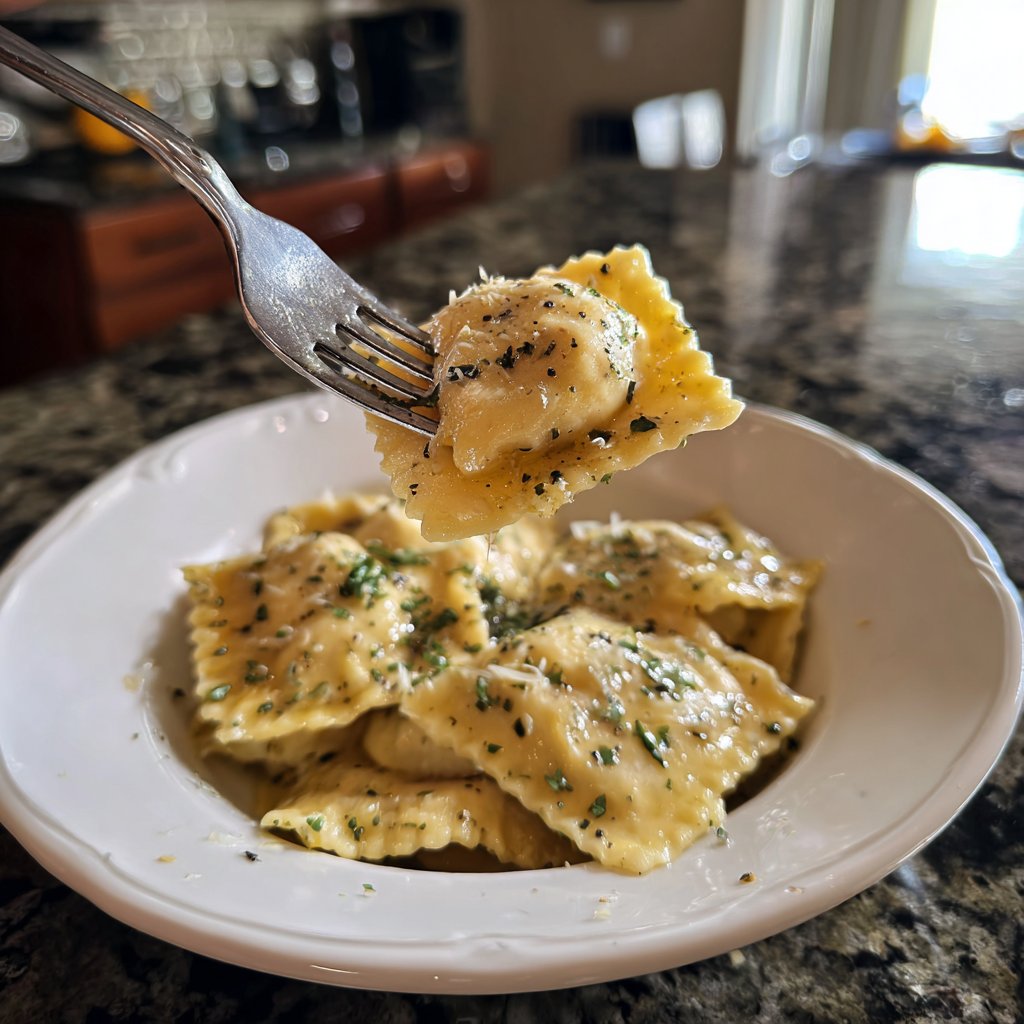
I absolutely love making Lemon Ricotta Ravioli with Butter Sage as it's a delightful dish that balances fresh flavors and comforting textures. The creamy ricotta, accented by the zestiness of lemons, creates a filling that brightens any meal. As I craft the delicate pasta by hand, the warmth of the butter and sage sauce adds a rich, nutty finish that ties everything together beautifully. For a perfect culinary experience, I recommend serving it with a sprinkle of freshly grated Parmesan on top—it truly elevates the dish to another level.
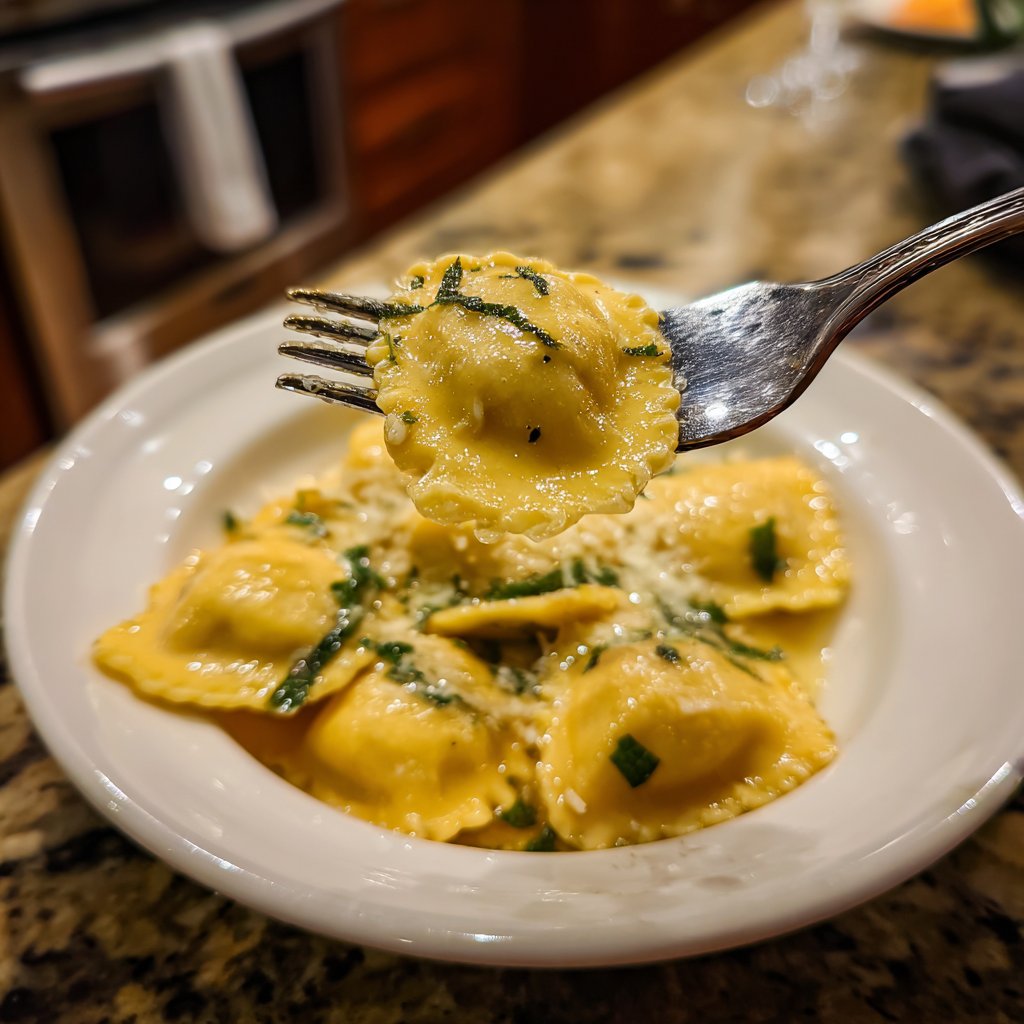
When I first attempted to make homemade ravioli, I thought it would be complicated, but I was pleasantly surprised by how manageable it was. The trick is in the dough—using a good ratio of eggs to flour creates a supple consistency that's easy to work with. I also discovered that letting the dough rest allows the gluten to relax, making it easier to roll out and shape.
One of my favorite touches is the addition of fresh lemon zest to the ricotta filling. It not only enhances the flavor but also adds a refreshing brightness that cuts through the richness of the butter sage sauce. Every bite is a little piece of heaven!
Why You'll Love This Recipe
- Zesty lemon flavor combined with creamy ricotta for a unique filling
- Freshly made pasta ensures an extraordinary texture
- The golden brown butter sage sauce adds depth and richness
Mastering the Dough
Creating the ravioli dough from scratch is essential for achieving the perfect texture. Using high-quality all-purpose flour is key, as it provides the right balance of structure and elasticity. When mixing the flour and eggs, ensure that the mixture comes together without any dry flour remaining. An ideal dough should be slightly tacky but not sticky; you may adjust with a sprinkle of flour if needed during kneading. It’s crucial to let the dough rest for at least 30 minutes. This resting period allows the gluten to relax, making it easier to roll out later.
While rolling out the dough, aim for an even thickness of about 1/8 inch. This thickness allows the ravioli to cook evenly while still maintaining some bite. If you find the dough is sticking to the surface or your rolling pin, dust it lightly with flour. If you are working with a pasta machine, start with the widest setting and gradually decrease the thickness for a smooth sheet. Consistently check for any air pockets while rolling out the dough to ensure the filling can be sealed perfectly.
Perfecting the Filling
For the filling, using fresh ricotta is imperative for the best flavor and texture. If store-bought ricotta seems too watery, consider draining it through a fine mesh sieve or cheesecloth for about 30 minutes before mixing it with the other ingredients. This step ensures your filling is not overly wet, which can lead to soggy ravioli. Incorporating lemon zest adds a bright and zesty note that balances the creaminess of the ricotta and Parmesan beautifully.
When seasoning your filling, taste as you go. The right amount of salt enhances the flavors without overpowering them. If you wish to experiment, adding a teaspoon of fresh herbs such as basil or thyme can introduce additional aromatic complexity. Make sure to mix the ingredients thoroughly for an even distribution of flavors. Chilling the filling for about 15 minutes before assembling the ravioli can make it easier to handle and help the flavors meld together.
Sauce and Serving Suggestions
The butter sage sauce is critical for bringing the ravioli to life—it transforms simple ingredients into a complex flavor profile. As you cook the butter, watch for a golden color and a nutty aroma, indicating that it is ready. The sage leaves should become crispy; this texture contrasts beautifully with the soft ravioli. If butter burns, simply start over; burnt butter changes the flavor entirely. If you have a dairy intolerance, olive oil can be a wonderful substitute that still gives a rich mouthfeel and compliments the sage nicely.
When serving, a sprinkle of freshly grated Parmesan adds a salty richness, enhancing the overall dish. I love to garnish with an extra sprig of crispy sage for presentation. For a delightful twist, try adding a drizzle of homemade lemon-infused olive oil over the dish before serving. Paired with a light salad or sautéed greens, this dish makes for an elegant meal that is both satisfying and refreshing, perfect for any occasion.
Ingredients
Gather the following ingredients to make this exquisite dish:
For the Ravioli Dough
- 2 cups all-purpose flour
- 3 large eggs
- Pinch of salt
For the Filling
- 1 cup ricotta cheese
- 1/2 cup grated Parmesan cheese
- Zest of 1 lemon
- Salt and pepper to taste
For the Sauce
- 1/2 cup unsalted butter
- 8-10 fresh sage leaves
- Salt to taste
Once you have everything ready, you're set to create a delightful homemade pasta dish!
Instructions
Follow these steps to create your delicious lemon ricotta ravioli:
Make the Dough
On a clean surface, make a mound with the flour and create a well in the center. Add the eggs and salt into the well. Gradually mix the flour into the eggs until a dough forms. Knead the dough for about 10 minutes until smooth, then wrap it in plastic wrap and let it rest for 30 minutes.
Prepare the Filling
In a bowl, mix the ricotta, Parmesan, lemon zest, salt, and pepper until well combined. Set aside.
Roll Out the Dough
Divide the dough into quarters. Roll out one quarter at a time using a pasta machine or a rolling pin until thin (about 1/8 inch thick).
Form the Ravioli
Place small teaspoons of filling about two inches apart on one half of the rolled dough. Fold the other half over and press down to seal the pockets. Use a fork to crimp the edges for a decorative touch.
Cook the Ravioli
Bring a large pot of salted water to a boil. Carefully drop the ravioli in and cook for about 4 minutes or until they float to the top. Remove with a slotted spoon.
Make the Sauce
In a pan, melt the butter over medium heat. Add the sage leaves and cook until the butter is golden and the sage is crisp. Season with salt.
Serve
Toss the cooked ravioli gently in the butter sage sauce. Serve warm, garnished with additional Parmesan if desired.
Dig in and enjoy the fruits of your labor!
Pro Tips
- For an extra layer of flavor, try adding a pinch of nutmeg to the ricotta filling. It complements the lemon beautifully.
Make-Ahead Tips
If you're hosting and want to save time, you can prepare the ravioli ahead of time. Once formed, layer them between sheets of parchment paper and store them in the refrigerator for up to 24 hours. For longer storage, freeze the ravioli. Place them on a baking sheet lined with parchment until frozen solid, then transfer them to a zip-top bag. They can last in the freezer for up to 2 months. Cook them directly from frozen, adding an extra minute to the boiling time.
You can also make the filling a day in advance and store it in the refrigerator in an airtight container. This allows the flavors to meld beautifully, and you'll save on prep time on the day you assemble your ravioli. Remember to let the filling warm slightly before using so it can be easily scooped onto the dough.
Common Troubleshooting
One common issue when making ravioli is that the edges may not seal properly, leading to leakage during cooking. To prevent this, ensure that the edges of the dough are slightly moistened before pressing them together. A light brush of water is helpful here. Additionally, be careful not to overfill the ravioli. A small teaspoon of filling is usually sufficient; too much can cause them to burst while boiling.
If you find your ravioli are a bit too chewy after cooking, they may have been rolled too thick or cooked too long. Ensure the water is at a rolling boil for optimal cooking, and always check for doneness once they float to the top—usually around 4 minutes. If they still feel tough, consider reducing the cooking time slightly during your next attempt.
Questions About Recipes
→ Can I use store-bought pasta for this recipe?
Yes, store-bought pasta will work in a pinch, but making your own pasta elevates the dish significantly.
→ How do I store leftover ravioli?
You can store uncooked ravioli layered between parchment paper in an airtight container in the refrigerator for up to 2 days or freeze for up to a month.
→ What can I substitute for ricotta cheese?
You can use mascarpone or cream cheese as an alternative, but the flavor and texture will differ slightly.
→ Can I add vegetables to the filling?
Absolutely! Finely chopped spinach or sun-dried tomatoes make for excellent additions to the ricotta filling.
Lemon Ricotta Ravioli with Butter Sage
Created by: Vivienne Cole
Recipe Type: World Flavors
Skill Level: Intermediate
Final Quantity: 4 servings
What You'll Need
For the Ravioli Dough
- 2 cups all-purpose flour
- 3 large eggs
- Pinch of salt
For the Filling
- 1 cup ricotta cheese
- 1/2 cup grated Parmesan cheese
- Zest of 1 lemon
- Salt and pepper to taste
For the Sauce
- 1/2 cup unsalted butter
- 8-10 fresh sage leaves
- Salt to taste
How-To Steps
On a clean surface, make a mound with the flour and create a well in the center. Add the eggs and salt into the well. Gradually mix the flour into the eggs until a dough forms. Knead the dough for about 10 minutes until smooth, then wrap it in plastic wrap and let it rest for 30 minutes.
In a bowl, mix the ricotta, Parmesan, lemon zest, salt, and pepper until well combined. Set aside.
Divide the dough into quarters. Roll out one quarter at a time using a pasta machine or a rolling pin until thin (about 1/8 inch thick).
Place small teaspoons of filling about two inches apart on one half of the rolled dough. Fold the other half over and press down to seal the pockets. Use a fork to crimp the edges for a decorative touch.
Bring a large pot of salted water to a boil. Carefully drop the ravioli in and cook for about 4 minutes or until they float to the top. Remove with a slotted spoon.
In a pan, melt the butter over medium heat. Add the sage leaves and cook until the butter is golden and the sage is crisp. Season with salt.
Toss the cooked ravioli gently in the butter sage sauce. Serve warm, garnished with additional Parmesan if desired.
Extra Tips
- For an extra layer of flavor, try adding a pinch of nutmeg to the ricotta filling. It complements the lemon beautifully.
Nutritional Breakdown (Per Serving)
- Calories: 430 kcal
- Total Fat: 28g
- Saturated Fat: 17g
- Cholesterol: 110mg
- Sodium: 85mg
- Total Carbohydrates: 32g
- Dietary Fiber: 2g
- Sugars: 2g
- Protein: 14g